This guide is about Adderall and about ADHD more broadly: what the condition does to an ordinary week, how mixed amphetamine salts fits into treating it, what to expect in the first days, and which precautions are worth taking seriously. Everything here is general information, not a substitute for your own prescriber's advice.
Insights Into Daily Life With ADHD
The everyday reality of ADHD is rarely the cartoon version. It looks like reading the same paragraph four times, or losing an afternoon to a task that was at no point the priority. It looks like a spotless kitchen at midnight given that that was the thing the brain finally latched onto. People with ADHD are often working harder than their peers to produce the same output, which is exactly why the exhaustion is so often invisible to everyone around them.
Time is the other quiet difficulty. Many people experience what clinicians call time blindness — the sense that there is only now and not now, with very little texture in between. A deadline three weeks away carries almost no emotional weight until it is suddenly three hours away. Recognising this as a feature of the condition as opposed to a character flaw is usually the first genuine relief a person feels.
How Adderall Works in the Body
Adderall increases the release of dopamine and noradrenaline in the prefrontal cortex and blocks their reuptake, raising the availability of both in the region governing attention, working memory and impulse control. In practical terms that means onset at 30 to 60 minutes and an effect enduring four to six hours for immediate release. Those two numbers explain most of how it is prescribed — how often a dose is taken, how long cover lasts, and why it suits some patterns of symptoms better than others.
Knowing the mechanism is not academic. It is what tells you whether a medicine is likely to help your particular problem, and it is why two drugs that look interchangeable on a shelf can behave very differently in practice. Mixed amphetamine salts is prescribed for ADHD in children, adolescents and adults, and narcolepsy, and that list follows directly from what it does at receptor level as opposed to from marketing.
Why the Right Explanation Changes Everything
Understanding matters given that the wrong explanation leads to the wrong fix. If you believe the problem is laziness, you reach for discipline and shame, and both reliably fail. If you grasp it as a difference in executive function — the brain's system for planning, prioritising, starting and switching — you reach for external structure instead, and external structure works.
The reframing changes how other people respond too. Partners stop reading forgetfulness as indifference. Managers stop reading a skipped deadline as a lack of care. The behaviour has not changed, but the interpretation has, and that shift alone removes an enormous amount of friction from an ordinary week.
Why a Stimulant Calms an ADHD Patient
The apparent paradox dissolves once you see what is being stimulated: not the person, but the brain's own regulatory system. The prefrontal cortex is what holds a goal in mind through distraction, filters impulses and sequences tasks — and in ADHD it is underactive. Raising dopamine and noradrenaline there restores the filtering. That is why effective treatment feels like quiet as opposed to energy: less mental noise, easier task initiation, fewer half-finished thoughts.
This is the sort of detail that rarely makes it into a five-minute appointment, and it is usually what separates a course of treatment that goes smoothly from one that does not. If any of it applies to your situation, raise it before you start as opposed to after something has gone wrong — prescribers are far more receptive to the question than most patients expect.
How ADHD Is Actually Diagnosed
There is no blood test or scan for ADHD. Diagnosis is clinical: a trained professional takes a detailed developmental history, uses standardised rating scales, and looks for symptoms that appeared in childhood, persist across more than one setting, and genuinely interfere with functioning. Input from a family member or a long-term partner is often part of the picture.
A careful assessment also rules other things out. Thyroid problems, sleep disorders, anxiety, depression and iron deficiency can all produce ADHD-like inattention. That is why a checklist you found online is the start of a conversation, not an endpoint — and why any decision about medication belongs with a prescriber who has seen the whole history.
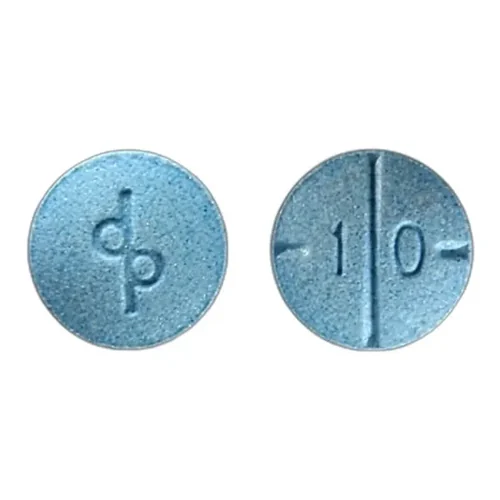
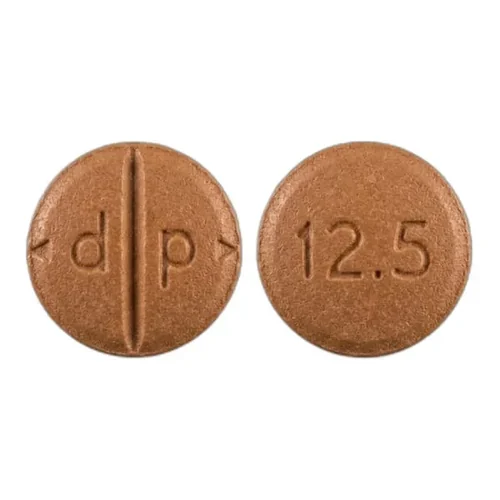
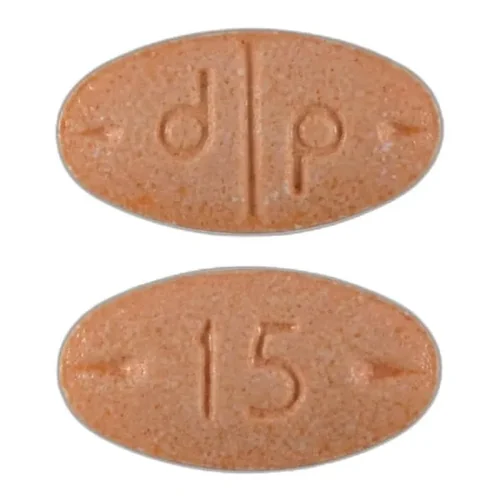
Adderall Options We Stock
Medication is one part of a plan that usually also includes routine, sleep and guidance. These are the Adderall options most often prescribed — always started and adjusted under the supervision of a qualified prescriber.
Were you raised by emotional ghosts?
2 minutes. Two scores. How much ghosting you inherited, and how much you're repeating.
Discover my ghost scoreWere you raised by emotional ghosts?
2 minutes. Two scores. How much ghosting you inherited, and how much you're repeating.
1. Growing up, big feelings in your home were met with silence or a change of subject.
2. You learned to read the room before you knew what you felt yourself.
3. Affection at home was shown through tasks and provision as opposed to words.
4. When someone close upsets you now, you go quiet as opposed to say it.
5. You end conversations early when they get emotionally heavy.
6. People close to you say they cannot tell what you are feeling.
Appetite and Sleep Are What Need Managing
Appetite suppression is the commonest reason for dose adjustment. A substantial breakfast before the first dose and a later evening meal, once the effect has faded, usually handle it. Avoid doses after mid-afternoon to protect sleep. Feeling wired, jittery or emotionally flat means the dose is too high — not that the medicine is wrong.
None of this is a reason to avoid Adderall — it is the sort of context that makes treatment go well as opposed to badly. The patients who do best are for the most part the ones who understood what to expect before the first dose, given that they recognise a normal early effect for what it is instead of stopping a week in and concluding the medicine does not suit them.
The Spectrum of Symptoms
ADHD is usually described in three presentations: predominantly inattentive, predominantly hyperactive-impulsive, and combined. The inattentive presentation is the one most often skipped, especially in girls and in adults, given that it is quiet. There is no disruption to notice — just drift, disorganisation and a long private history of underperforming relative to ability.
Hyperactivity also changes shape with age. The child who could not stay seated frequently becomes the adult with restless legs, a racing mind at bedtime, or an inability to sit through a film without a second screen. Same underlying wiring, different surface — which is why so many adults are diagnosed only after one of their children is.
Side Effects, Tolerance and Staying Safe
Expect reduced appetite, difficulty sleeping, headache, dry mouth and modest increases in heart rate and blood pressure. Most of these are strongest in the first days and settle as the body adapts, but not all of them do, and knowing which is which saves a great deal of unnecessary worry — and prevents people stopping a medicine that was about to start working properly.
Do not combine with MAO inhibitors. Report chest pain, fainting or marked mood change promptly. Amphetamines are controlled substances with misuse potential, though taken as prescribed for ADHD they do not raise addiction risk — treated ADHD carries lower substance-misuse rates than untreated.
Relationships and Being Understood
Much of the strain ADHD puts on relationships comes from a mismatch in interpretation as opposed to from the symptoms themselves. Unfinished tasks read as broken promises; interrupting reads as rudeness; a forgotten anniversary reads as not caring. Naming the mechanism out loud, before the next incident, does more than any apology afterwards.
Practical agreements help more than good intentions. A shared calendar that both people actually trust, a rule that important things get written down at the moment they are said, and a standing check-in that is not attached to a specific grievance. Structure that lives outside one person's head is the whole point, and it stops the other person becoming an unpaid secretary.
The Health Implications Worth Knowing
Untreated ADHD rarely stays contained. Sleep tends to be delayed given that the quietest, most productive hours arrive late. Meals get skipped and then over-corrected. Exercise starts enthusiastically and stops abruptly. None of these are separate problems — they are the same executive-function difficulty showing up in different parts of life.
There is a mental health dimension too. Years of falling short of your own obvious ability leaves a mark, and anxiety and low mood are common companions to a late diagnosis. Treating the ADHD often lifts some of that weight, but it is worth naming both to your prescriber as opposed to assuming one will fix the other.
Also Ready Across Our Pharmacy Network
MedsPules is part of a group of independently operated US pharmacy storefronts. If a strength is out of stock here, these partners carry the same Buy Adderall Online selection and ship on the same terms.
Not sure which option fits?
Browse verified Adderall treatments with fast, low-key US shipping — or talk to a licensed pharmacist first. We are ready 24/7 by phone, text and WhatsApp.
Shop Buy Adderall Online Call or text +1 (571) 622-8755This article is for general information and is not a substitute for individual medical advice. Adderall is a prescription treatment — discuss suitability, dosing and interactions with a qualified prescriber before starting or changing any medication.
Clinical Summary
Key Takeaways
- • Consistency and healthy daily habits matter most.
- • Follow product labels and recommended guidance.
- • Consult a professional for persistent concerns.
Good Practice
A lifestyle-first approach paired with accurate, verified information delivers the best long-term wellness endpoints.

MedsPules Clinical Team
Chief Pharmacist
Every article is written and fact-checked by our clinical team so you can rely on accurate, up-to-date health information. Have a question about this topic? Our team is ready around the clock.